
Black Friday 2026 Tech Deals: How to Spot a Real Discount
Black Friday 2026 is on November 27. Most 'deals' aren't the lowest price of the year. 7 simple checks to spot a real tech discount in the US and UK.
Translate
This post may contain affiliate links. If you buy through them, we may earn a small commission at no extra cost to you. Read our affiliate disclosure.
Black Friday 2026 falls on Friday, November 27, the day after Thanksgiving, and Cyber Monday is November 30. In practice, the sales start much earlier: Amazon and other big retailers usually begin rolling out holiday deals in early November. That gives you nearly a month of “limited-time” offers, and not all of them are real bargains.
The UK consumer group Which? tracked 213 Black Friday deals from seven big UK retailers, including Amazon, Currys, Argos and John Lewis, for six months before and after Black Friday 2021. It found that 86% were the same price or cheaper in the six months before the sale, and only about one in seven offered a genuine discount. The lesson applies on both sides of the Atlantic: a big red “deal” badge doesn’t mean you’re getting the lowest price.
Here’s how to tell a real deal from a fake one.
Key dates for Black Friday 2026
| Date | |
|---|---|
| Early deals | Usually from early November |
| Thanksgiving (US) | Thursday, November 26 |
| Black Friday | Friday, November 27 |
| Cyber Monday | Monday, November 30 |
Amazon hasn’t announced the exact dates of its Black Friday sale yet. We’ll update this guide when it does.
1. Make a list before the sales start
The easiest way to waste money on Black Friday is buying something just because it’s discounted. Write down what you actually need, such as new headphones, a laptop for college or a tablet for the kids, and set a budget for each. If something isn’t on your list, a discount isn’t a reason to buy it.
2. Check the price history, not the “was” price
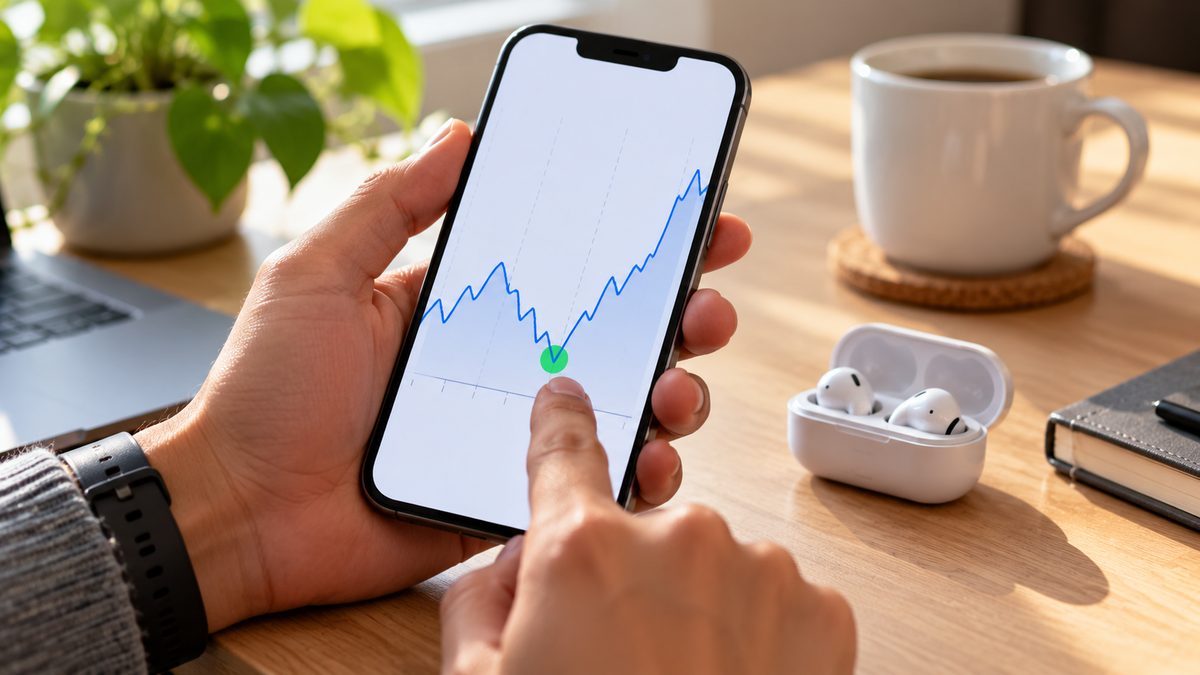
A “was $199, now $129” label only tells you what the retailer says the price used to be. Check what it has really sold for over the past few months with a free price tracker:
- US: CamelCamelCamel and Keepa show Amazon price history charts.
- UK: PriceSpy and PriceRunner track prices across many shops, and CamelCamelCamel and Keepa also cover Amazon UK.
If the “deal” price is the same as it was in September, it isn’t a Black Friday deal. If it’s clearly the lowest point on the chart, it probably is.
3. Set a price alert and let the deal come to you
All of these trackers let you set an alert for a target price. Add the products on your list now. If the price drops before, during or after Black Friday, you’ll get an email, and you won’t have to spend the whole weekend refreshing deal pages.
4. Compare the exact model
Retailers sometimes discount older or lower-spec versions that look almost identical to the latest model, or sell “Black Friday editions” that are only sold during the sales. Before you buy, check:
- the model number, not just the name
- the year (for example, last year’s laptop vs this year’s)
- the storage, RAM and screen size
A cheaper price for a weaker version isn’t a discount.
5. Don’t trust the countdown timer
“Deal ends in 2 hours” timers are designed to make you rush. Many Black Friday prices return later in the season, or appear again on Cyber Monday or in the run-up to Christmas. If you’re not sure, it’s usually fine to wait.
6. Read reviews, and check who’s selling it
On Amazon and other marketplaces, check whether the item is sold by the retailer itself or by a third-party seller. Look at recent reviews, especially the low-star ones, and be wary of products with lots of vague five-star reviews posted around the same time.
For chargers, cables and power banks, stick to well-known brands. Cheap no-name chargers are one of the most common places to find fakes.
7. Know the return rules before you buy
- UK: When you buy online, you usually have 14 days after delivery to cancel, and then another 14 days to send the item back.
- US: There’s no general legal right to return online purchases, so it depends on the store. Many big retailers extend their returns window over the holidays, but check the policy for each item before you pay.
Pay by credit card where you can, as it usually gives you extra protection if something goes wrong.
Which tech is usually worth buying on Black Friday?
Some products tend to see real, deep discounts around Black Friday, often the best of the year:
- Smart speakers, streaming sticks and e-readers from Amazon and Google
- Headphones and earbuds from big brands like Sony, Bose, Apple and Anker
- Last year’s tablets, laptops and smartwatches, once newer models are out
- TVs, especially mid-range models
Brand-new phones rarely get big discounts at retailers, though carriers often run trade-in and new-line offers. Our unlocked vs carrier phones guide explains when a carrier deal is worth it.
Related reading: Best Noise-Cancelling Headphones Under $100 · Best Tablets Under $300 · Best Laptops for College Students Under $700
The bottom line
Black Friday 2026 is on November 27 and Cyber Monday on November 30, with deals likely starting in early November. Most “deals” aren’t the lowest price of the year, so make a list, check the price history with a tracker like CamelCamelCamel, Keepa or PriceSpy, set price alerts, compare the exact model, and know the return policy before you pay. Do that, and you’ll buy the things you actually want at a genuinely good price.
More in Global

Pixel 10a vs iPhone 17e: Which to Buy After the Price Hikes
Both phones now cost $699 with 256GB. We compare the Pixel 10a and iPhone 17e on screen, speed, cameras, battery and ...

Sony WH-CH720N vs Soundcore Space One: Which to Buy
Sony WH-CH720N or Soundcore Space One? We compare price, noise cancelling, comfort, battery, codecs and calls to help...

Best Tablets Under $300 in 2026: iPad, Galaxy Tab and Budget Picks
The best tablets under $300 right now, from the A16 iPad on sale to Samsung's Galaxy Tab A11+ and a $75 Fire tablet, ...
Comments
Have a question about this, or your own experience to share? Leave a comment below.
Loading comments…