
Smartwatch vs Fitness Band: Which Should You Buy?
Smartwatches do more, fitness bands last longer and cost less. Here's how to decide which one actually fits your day, your phone and your budget.
This post may contain affiliate links. If you buy through them, we may earn a small commission at no extra cost to you. Learn more.
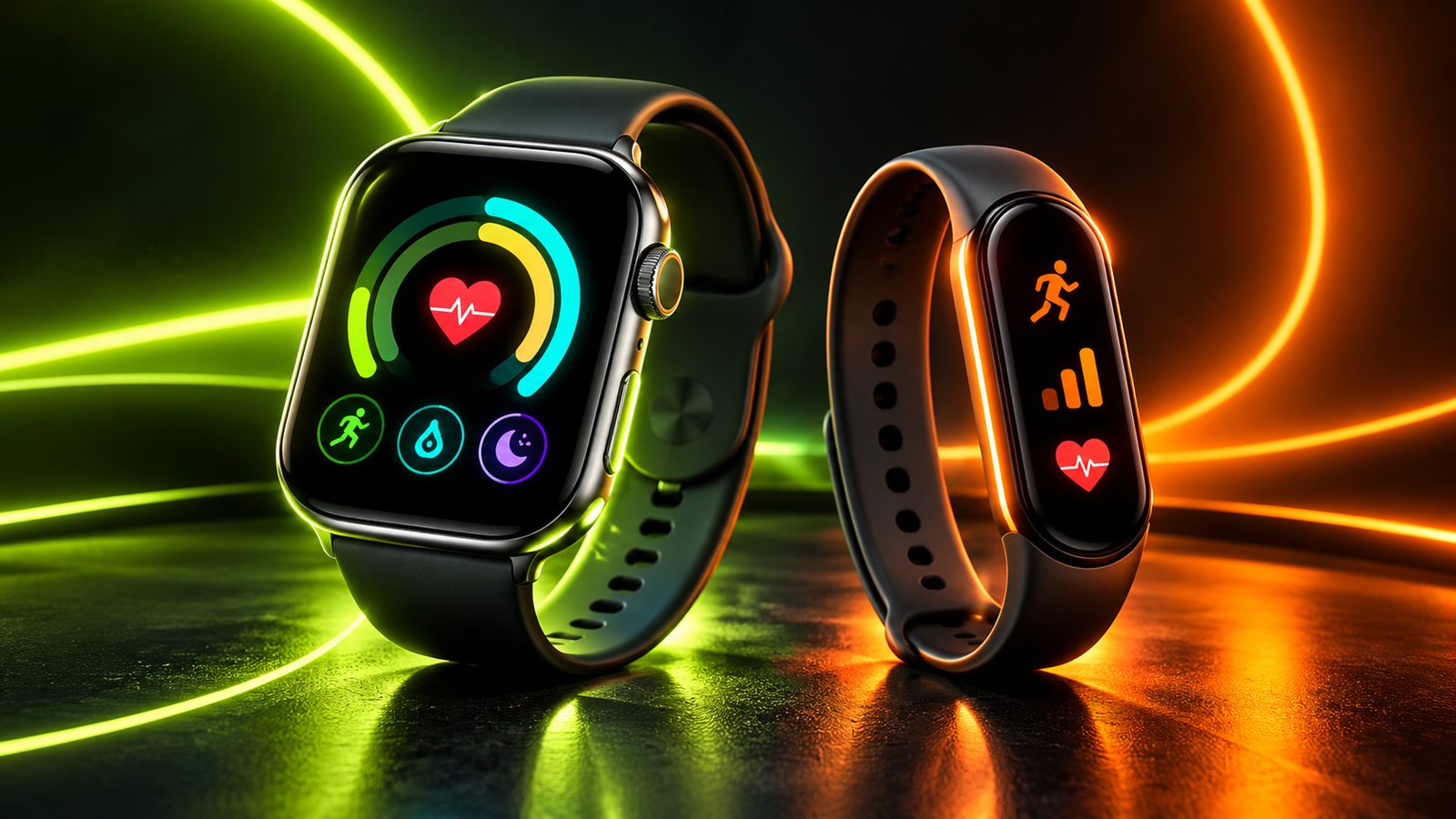
Smartwatches and fitness bands both count your steps, track your sleep and show notifications, so it’s easy to think they’re the same thing. They aren’t. The right choice depends on whether you want a mini phone on your wrist or a simple tracker you can forget about for two weeks.
The quick difference
| Fitness band | Smartwatch | |
|---|---|---|
| Screen | Small, narrow | Larger, square or round |
| Battery | Often 1–2 weeks | From 1–2 days (premium) to over a week (budget) |
| Notifications | Read only, mostly | Read, and often reply or take calls |
| Apps | Very few or none | Many on premium watches |
| Comfort for sleep | Light and slim | Can feel bulky |
| Price | Usually cheaper | Wide range, from budget to premium |
Who should buy a fitness band
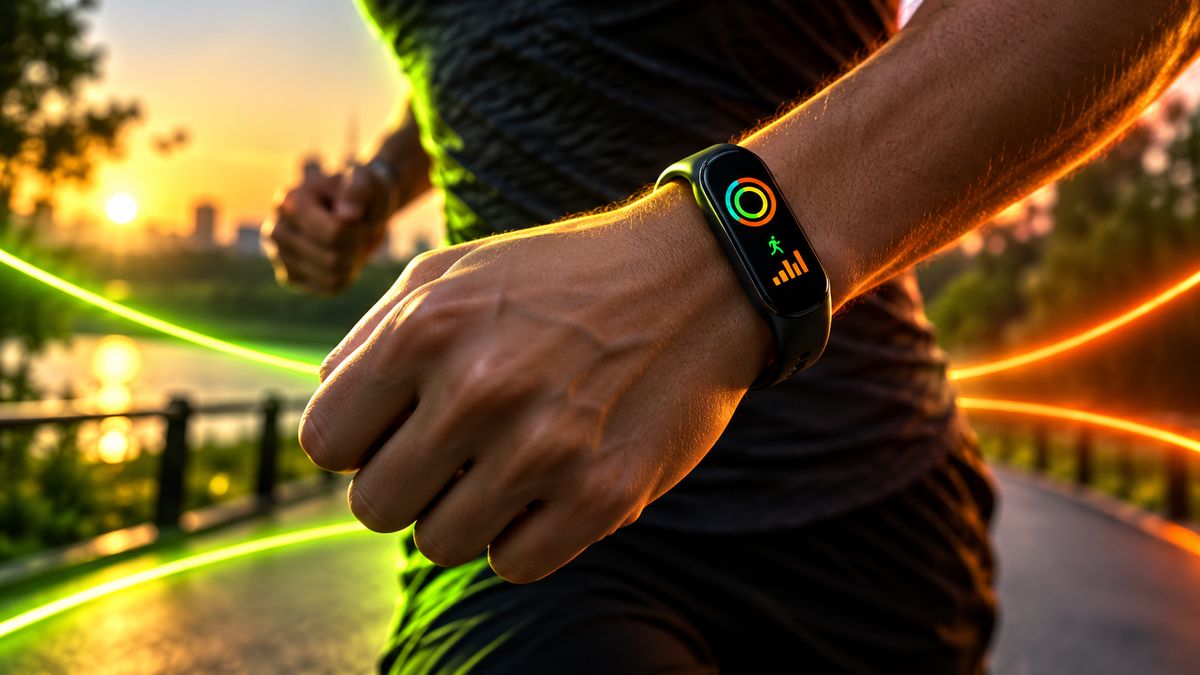
A fitness band is the better pick if you mainly want health and activity tracking:
- You want to track steps, heart rate, sleep and workouts without fuss
- You hate charging gadgets every day
- You’ll wear it to sleep and want something light
- You don’t need to reply to messages from your wrist
Bands are also great as a first wearable, to see whether you actually like wearing something on your wrist every day.
Who should buy a smartwatch
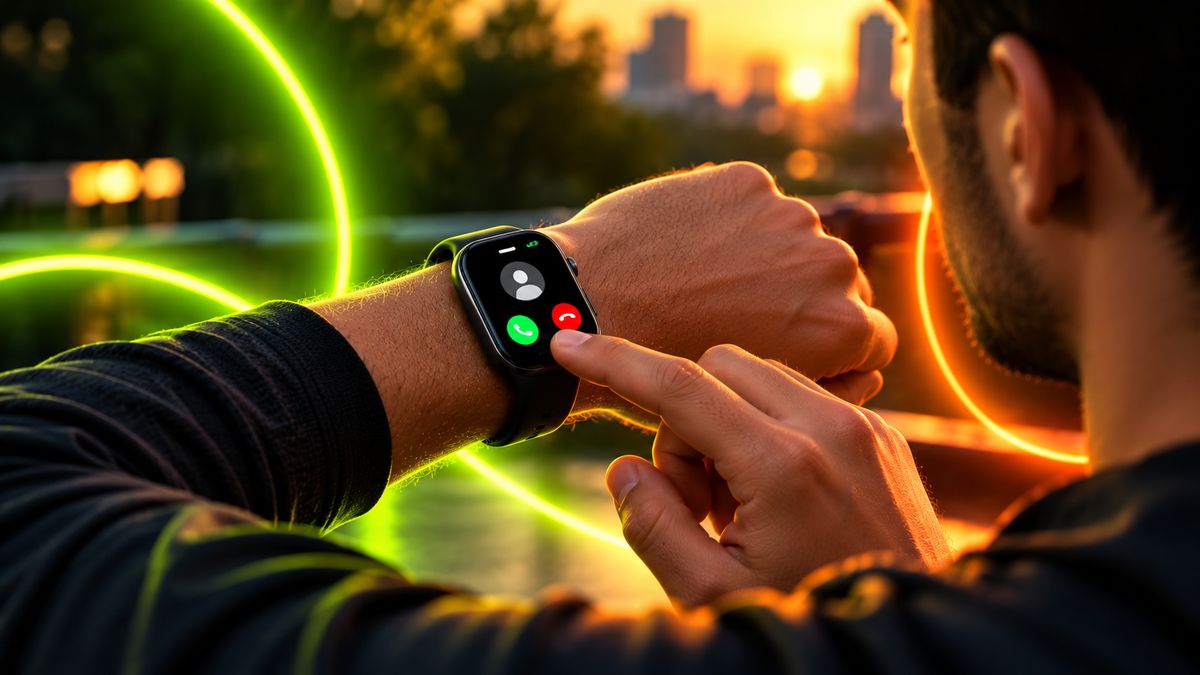
A smartwatch makes more sense if you want your wrist to do things, not just track:
- Bluetooth calling, so you can talk through the watch while your phone stays in your bag. This is very common even on budget watches.
- A bigger, brighter screen that’s easier to read outdoors
- Quick replies, music controls, maps and payments, depending on the model
- More watch faces and styles, so it can look like a regular watch at work
The specs that actually matter
Whichever you choose, check these before buying:
- Display type: AMOLED screens look sharper and are easier to read in sunlight than cheaper LCDs.
- Real battery life: brand claims assume light use. With always-on display and lots of notifications, expect noticeably less.
- Sensor accuracy: heart-rate and SpO2 readings vary a lot between brands. Look for reviews that compare readings against a proper device.
- App quality: the companion phone app is where you’ll see your data. A clunky app ruins a good watch.
- Water resistance: 5ATM or IP68 is enough for sweat, rain and handwashing. Check the brand’s guidance before swimming.
- Phone compatibility: some smartwatches work best only with one phone brand, and Apple Watch works only with iPhone.
Tip: Health readings from wearables are useful for spotting trends, like “my sleep is getting worse”, but they aren’t medical devices. Don’t use them to diagnose anything; see a doctor if a reading worries you.
The bottom line
Buy a fitness band if you mainly want health tracking with long battery life and a light fit. Buy a smartwatch if you want calling, a bigger screen and more features on your wrist. For most people, an AMOLED display, a good companion app and honest battery life matter more than a long feature list.